Strategy Battles Real-Time War Updates | Unfiltered Conflict Coverage

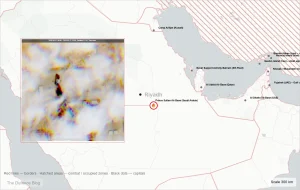
An Iranian missile and drone attack on March 27 struck Prince Sultan Air Base in Saudi Arabia, wounding multiple United States service members and damaging several aircraft, including an E-3 Sentry airborne warning and control system (AWACS) aircraft and aerial refueling planes.
According to Air & Space Forces Magazine, citing people familiar with the matter, around 10 service members were wounded in the attack, including two with serious injuries. The strike involved at least one missile impact on the base, along with the use of multiple drones.
A spokesperson for U.S. Central Command declined to comment on the incident. Initial reporting indicates that multiple aircraft sustained damage, including aerial refueling platforms and an E-3 Sentry AWACS aircraft used for airborne command and control.
Prince Sultan Air Base serves as a central hub for U.S. air operations in the Middle East and hosts a range of aircraft supporting surveillance, refueling, and strike coordination missions. The presence of AWACS and tanker aircraft at the base reflects its role in enabling sustained air operations across the region.
The E-3 Sentry provides airborne early warning, surveillance, and command and control capabilities, allowing forces to track airborne threats and coordinate responses. Aerial refueling aircraft extend the range and endurance of combat aircraft, making them critical to sustained operations.
Damage to these platforms can affect command coordination and the ability to maintain continuous air presence over operational areas. Even limited disruption to refueling or airborne command assets can influence sortie generation and mission planning.
The attack comes amid ongoing regional tensions and follows earlier U.S. assessments that Iranian missile and drone launch activity had declined. On March 25, U.S. Central Command commander Adm. Brad Cooper said launches were down by more than 90 percent since the start of the conflict on Feb. 28.
In a video statement, Cooper said: “We have damaged or destroyed over two-thirds of Iran’s missile, drone, and naval production facilities and shipyards.” He added: “We are on a path to completely eliminate Iran’s wider military manufacturing apparatus.”
Despite these assessments, the March 27 strike indicates that Iran retains the ability to conduct missile and drone attacks against U.S. positions in the region.
U.S. officials have previously reported that more than 300 service members have been wounded during Operation Epic Fury, with 13 fatalities recorded, including a service member killed in an earlier attack on Prince Sultan Air Base in early March.