 Strategy Battles Real-Time War Updates | Unfiltered Conflict Coverage
Drone warfare has become one of the defining features of modern conflict in 2026. Cheap, expendable unmanned aerial vehicles (UAVs) are allowing smaller forces to challenge much stronger militaries through asymmetric tactics.

Drone swarm tactics — launching multiple low-cost UAVs simultaneously to overwhelm air defenses — are now a standard approach in the Middle East conflicts.
Core Drone Warfare Tactics Currently in Use
1. Saturation Swarms Attackers launch dozens of low-cost drones at once to saturate and exhaust air defense systems. The goal is to force expensive interceptors to engage cheap targets, creating a massive cost imbalance.
2. Loitering Munitions (“Kamikaze Drones”) Systems like Iran’s Shahed-136 can loiter over an area for hours before striking high-value targets. This “fire-and-forget” capability puts constant pressure on defenders.
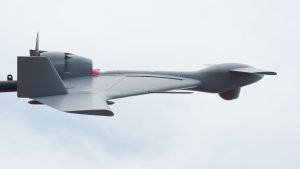
Loitering munition (kamikaze drone) — a key weapon in current asymmetric warfare.
3. ISR + Strike Coordination Drones first gather real-time intelligence (ISR), then guide follow-up strikes. This “find-fix-finish” loop gives irregular forces precision they previously lacked.
4. Economic Asymmetry A single cheap drone can force the launch of a multi-million-dollar air defense missile. When scaled up, this tactic heavily favors the attacker.
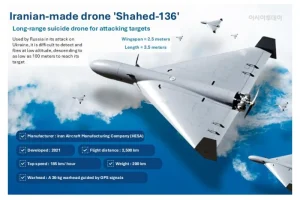
Iranian-made Shahed-136 — a long-range loitering munition widely used by Iran-backed groups.
Tactical Reality in Current Conflicts
- In Iraq, pro-Iran armed groups have repeatedly used drone swarms against US bases.
- Hezbollah integrates drones with rocket barrages against Israel.
- The Houthis continue long-range drone strikes in the Red Sea.
These tactics allow weaker actors to project power far beyond their conventional capabilities.
Strategic Implications
Drone warfare is rapidly lowering the threshold for conflict. Advanced air forces are no longer the only way to strike deep. A well-organized militia with access to Iranian-designed drone technology can now impose significant costs on superior opponents.
The side that best masters the integration of cheap drone swarms, electronic warfare, and traditional missile systems currently holds a major tactical edge in asymmetric warfare.
As the conflicts involving Iran and its proxies continue, expect further evolution: autonomous swarms, AI-assisted targeting, and improved countermeasures.
Copyright © 2026 Strategy Battles. All rights reserved. This article is for news and analysis purposes only.